Safety equipment
Spill Equipment
Spill kits, absorbents and containment. The right kit depends on the liquid — an oil-only kit will not safely handle a chemical spill.
Help me choose — what could spill?
Tell us what you’re handling and we’ll narrow the products below to the right spill kit.
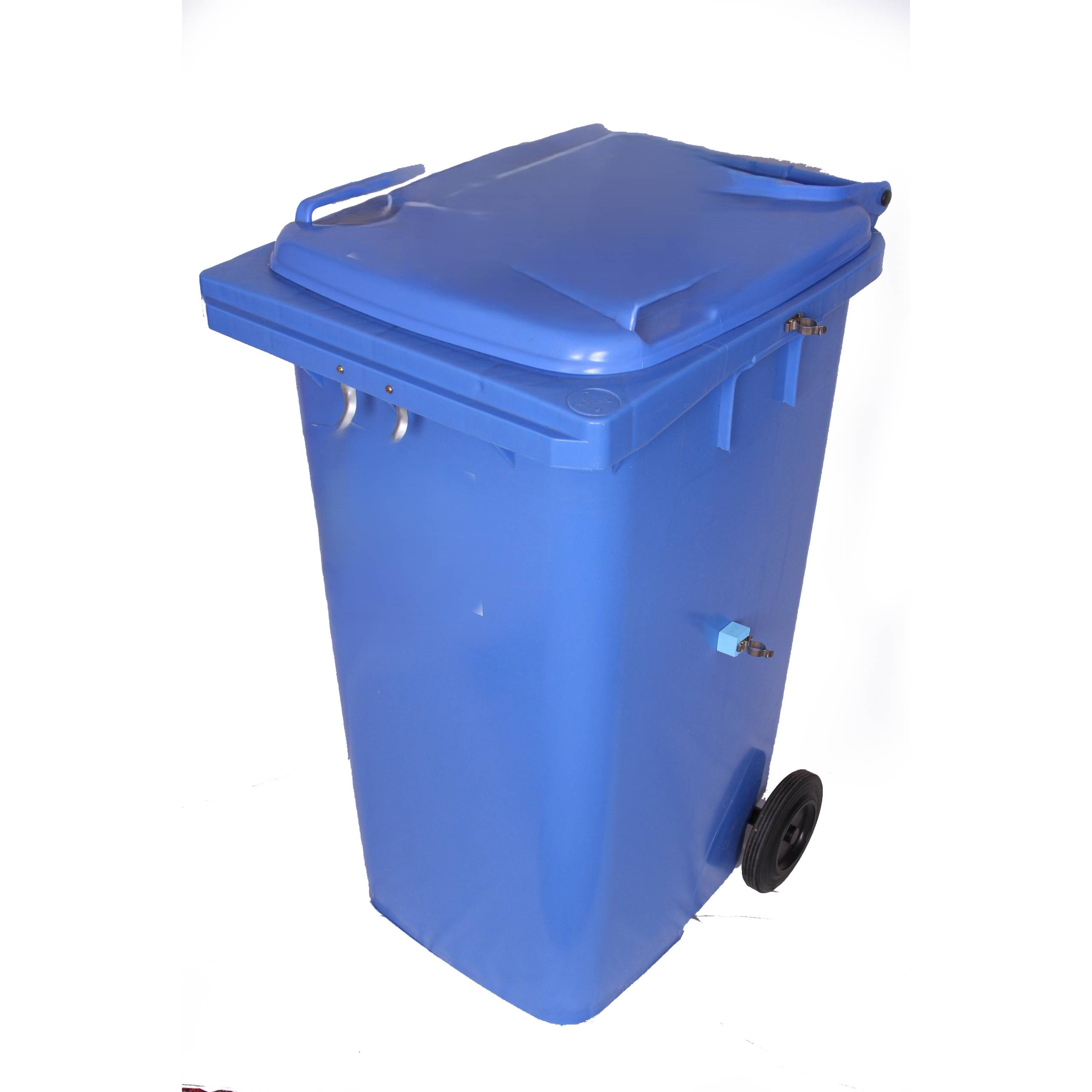 Blue Wheelie Bin$120.00+ GST at checkout
 Brooms$30.00+ GST at checkout
 Canvas Carry Bags (Black)$30.00+ GST at checkout
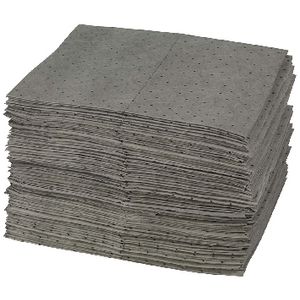 Chemical Pads$3.00+ GST at checkout
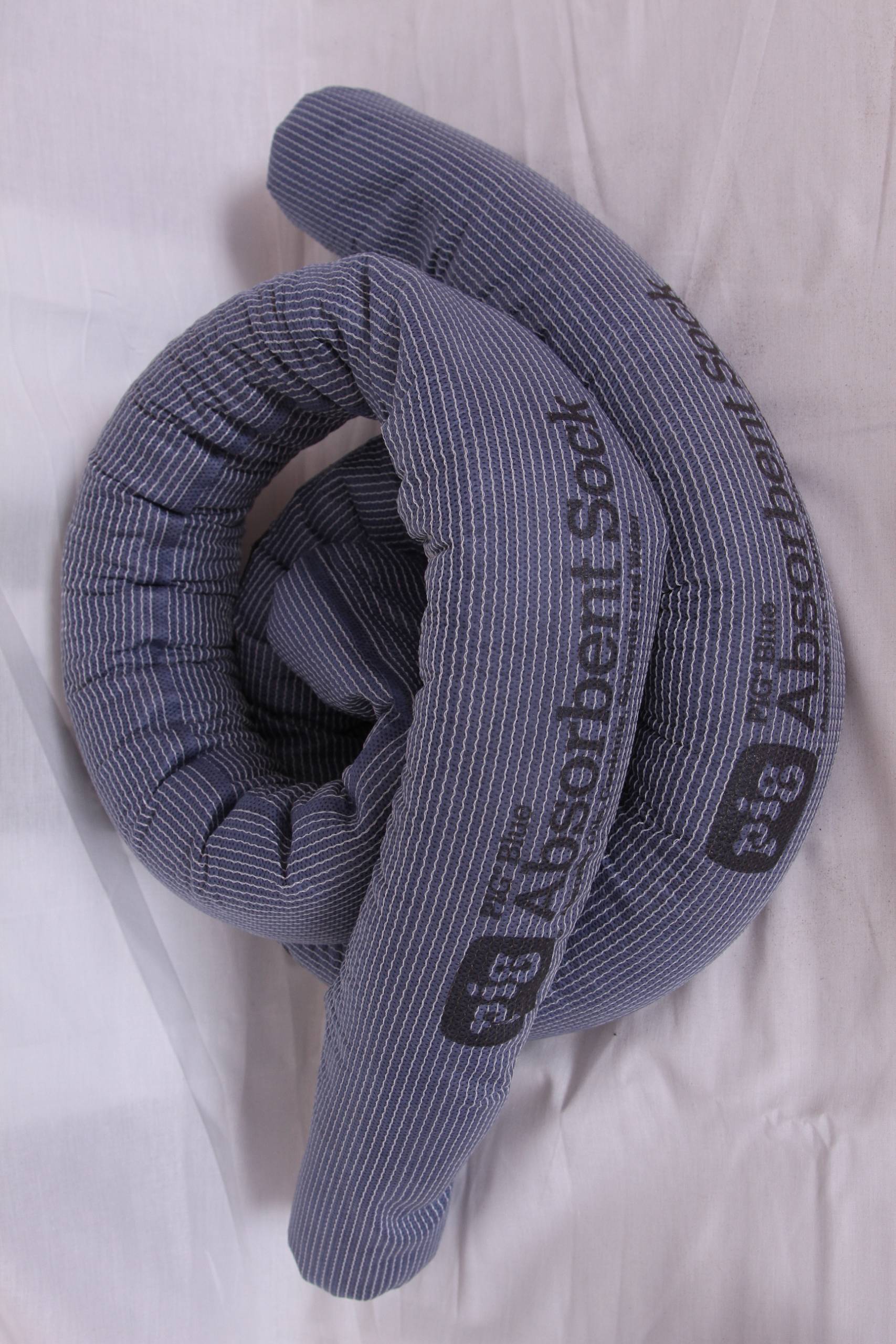 Chemical Pig Booms$14.00+ GST at checkout
 Chemical Shovel$75.00+ GST at checkout
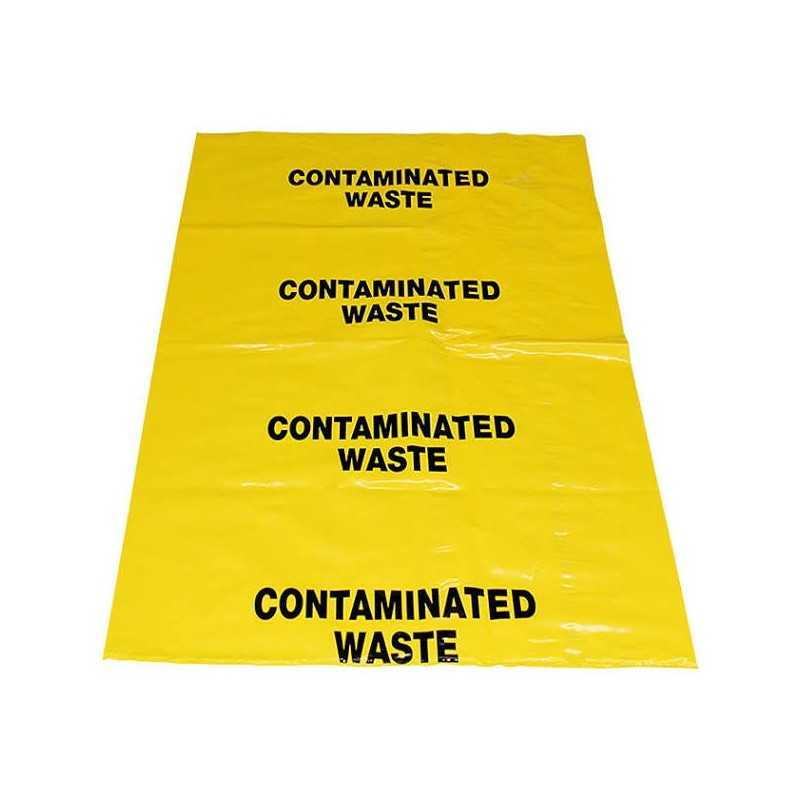 Contaminated Waste Bags$5.28+ GST at checkout
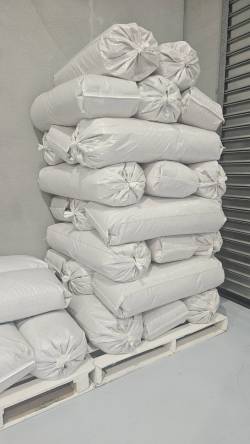 DGTC Absorbent Bales$80.00+ GST at checkout
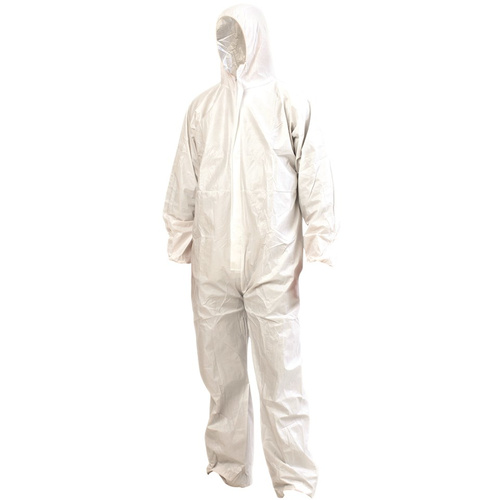 Disposable Coveralls$15.00+ GST at checkout
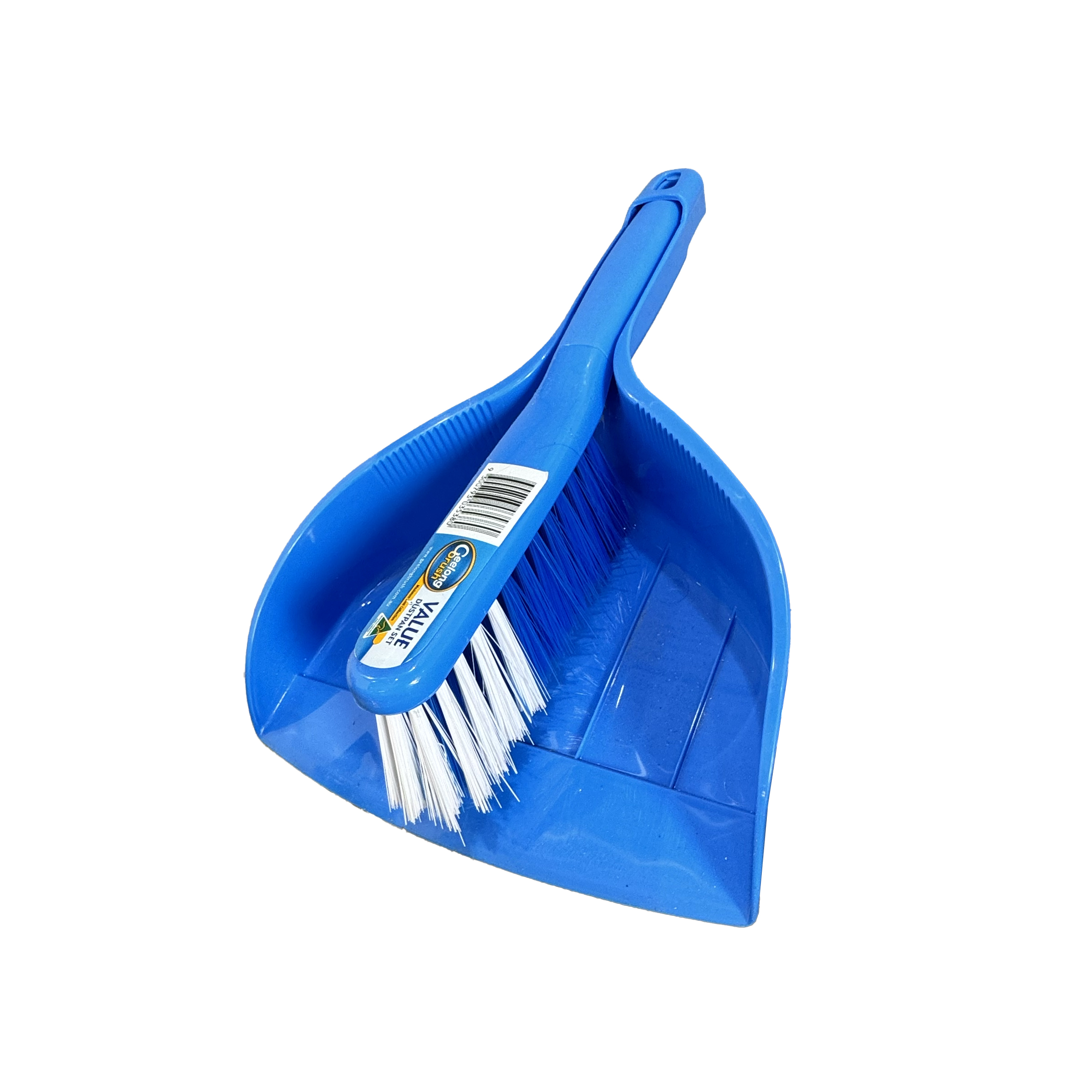 Dust Pan & Broom$6.00+ GST at checkout
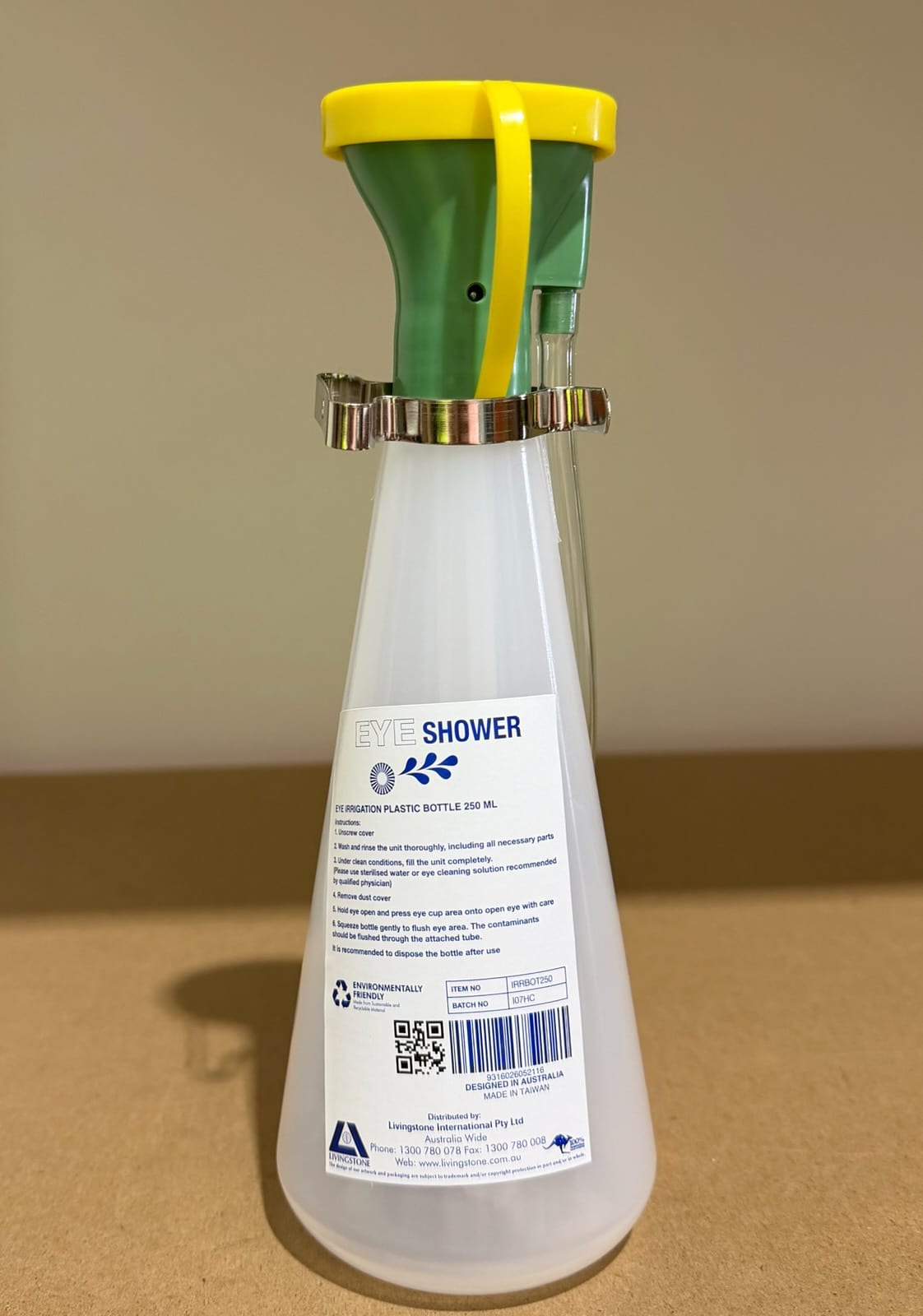 Eye Wash Bottles$12.00+ GST at checkout
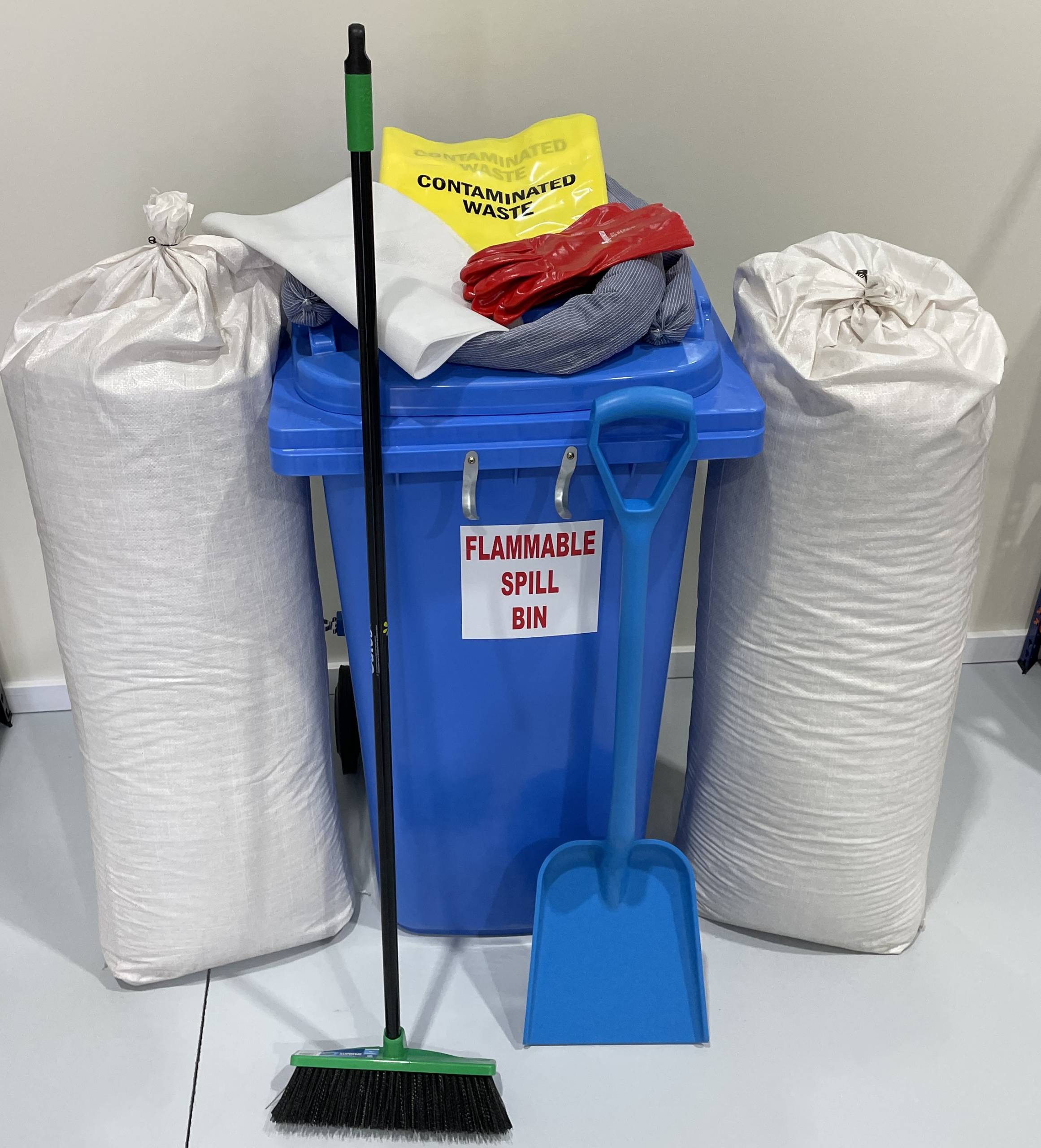 Flammable Spill Bin$480.00+ GST at checkout
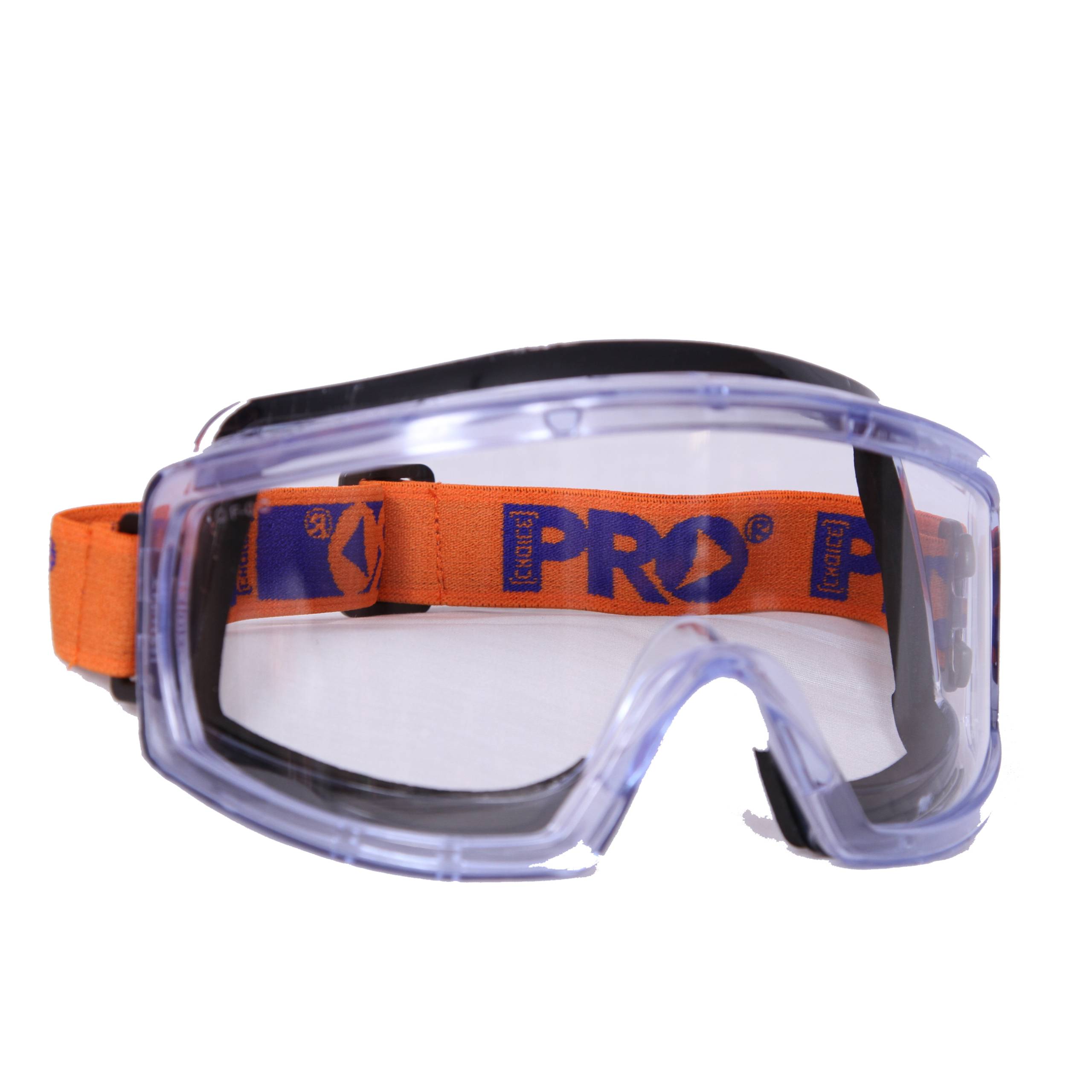 Gas Tight Goggles$18.00+ GST at checkout
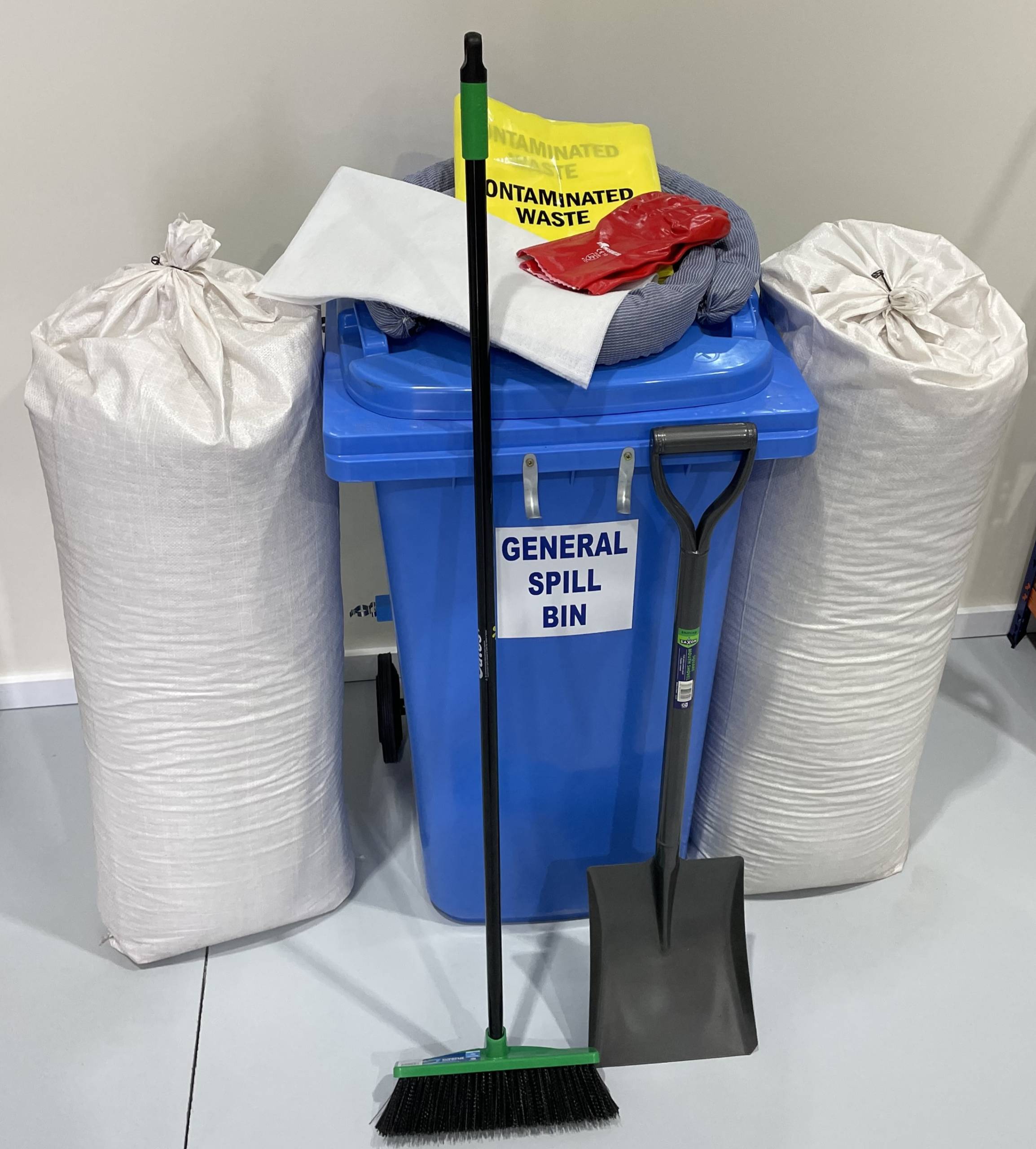 General Chemical Spill Bin$510.00+ GST at checkout
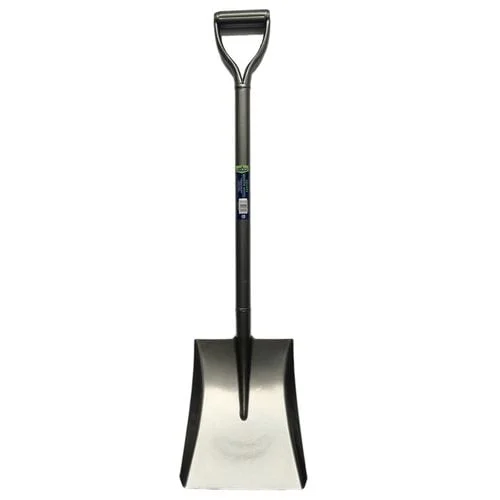 Metal Shovel$30.00+ GST at checkout
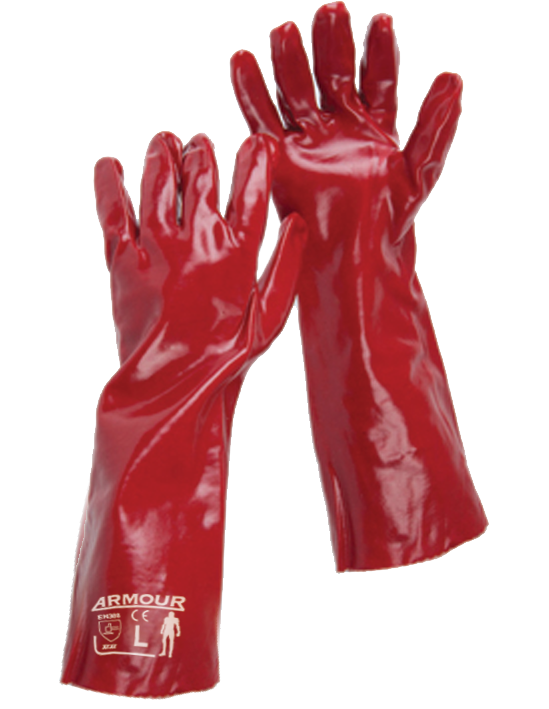 PVC Long Gloves$8.00+ GST at checkout
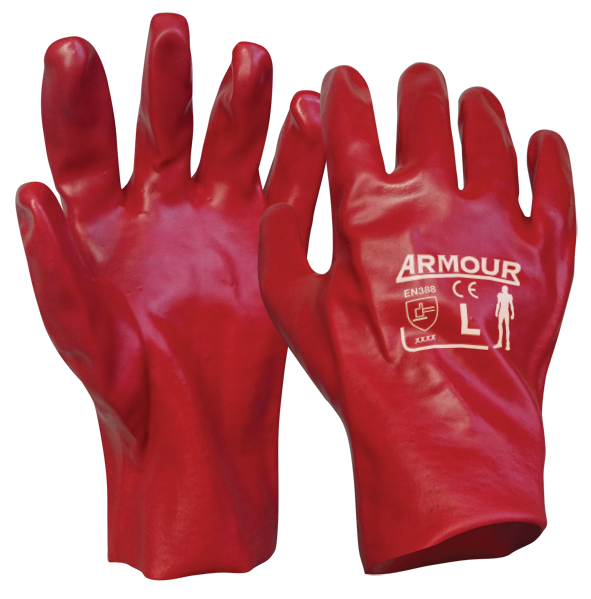 PVC Small Gloves$5.00+ GST at checkout
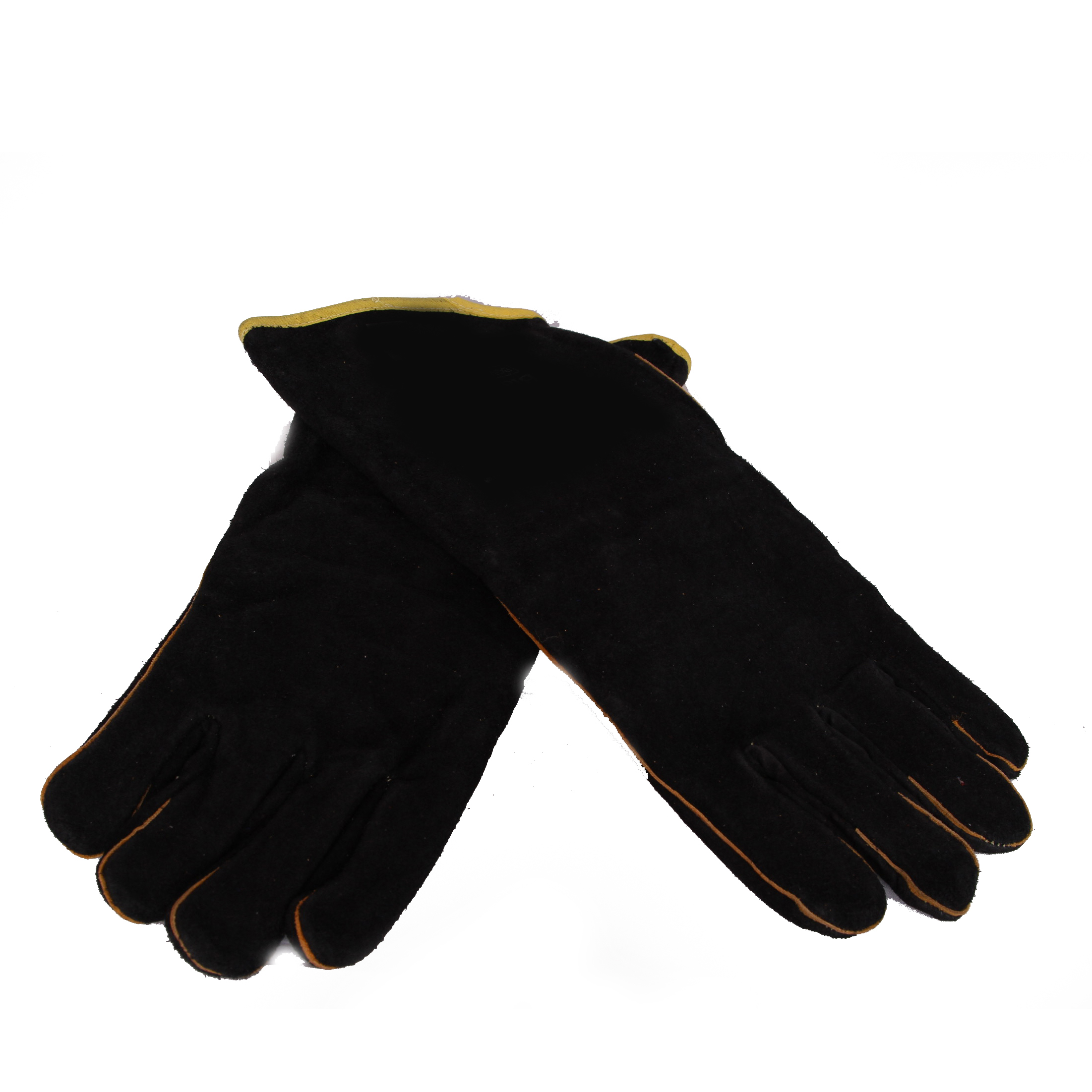 Thermal Gloves$15.00+ GST at checkout
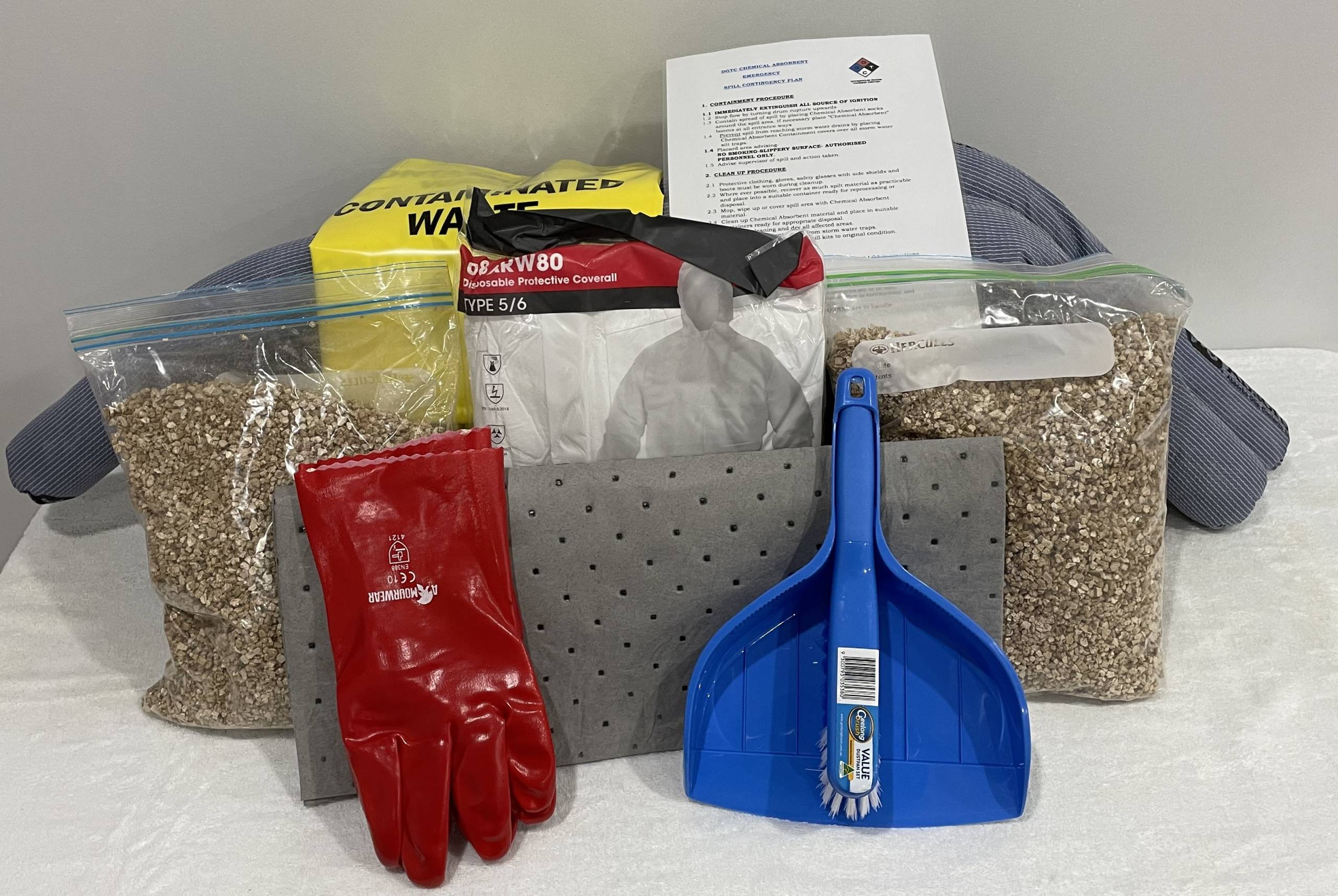 Truck Spill Kit Bag$210.00+ GST at checkout
Which spill kit do I need?
Spill kits are matched to the type of liquid, not just the volume. The wrong absorbent can fail on the spill you actually have.
The three kit types
- General Purpose / Universal — water-based and non-hazardous liquids (coolants, mild chemicals) and oils. The absorbent also soaks up water, so it is not suited to recovering oil from water.
- Oil & Fuel / Hydrocarbon — a hydrophobic absorbent that repels water, floats, and picks up only hydrocarbons (oil, diesel, fuel). The correct choice when a fuel or oil spill could reach a drain or waterway.
- Hazchem / Chemical — built for aggressive chemicals: acids, caustics and corrosives, with the broadest chemical scope.
(Source: AusSpill Standard for Spill Response Kits.)
How big a kit?
A kit's rating is the litres of liquid its absorbents can soak up — not the size of the bin. Size the kit to the largest single release you could realistically have (for example a full drum or IBC), with margin, because real absorbency varies with the liquid's viscosity and temperature.
Common mistakes to avoid
- An oil & fuel kit bought for an acid or chemical spill — hydrocarbon absorbents are not made for aggressive chemicals.
- A general-purpose kit used for fuel on or near water — universal absorbent swells with water and will not recover floating oil.
- Sizing by bin litres instead of rated sorbent litres.
- No matching PPE — gloves and eye protection must suit the chemical, per its Safety Data Sheet.
Your obligations
SafeWork NSW requires spill containment to be kept handy wherever chemicals are used or stored, and a written emergency plan above the WHS Schedule 11 quantities. Under the EPA's duty to notify (POEO Act s148) a pollution incident causing material harm must generally be reported within 24 hours — being able to contain a spill is what keeps it from becoming a reportable incident.