Safety equipment
Transport Equipment
Emergency Information Panels and holders, placards, class labels and transport PPE for vehicles carrying dangerous goods.
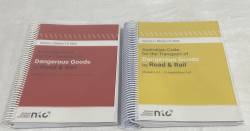 Australian Dangerous Goods Code Book$280.00+ GST at checkout
 Batteries (Pack of 4)$4.00+ GST at checkout
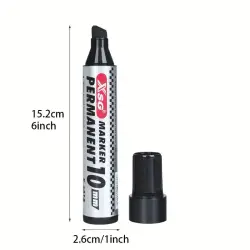 Black Markerpens$15.00+ GST at checkout
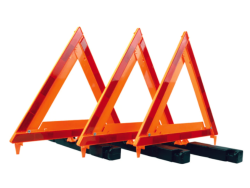 Breakdown Triangles Set of 3$60.00+ GST at checkout
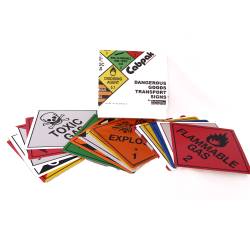 Cab Packs$120.00+ GST at checkout
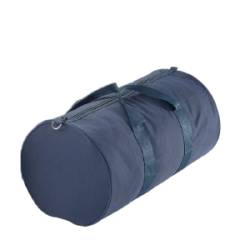 Canvas Carry Bags (Blue)$30.00+ GST at checkout
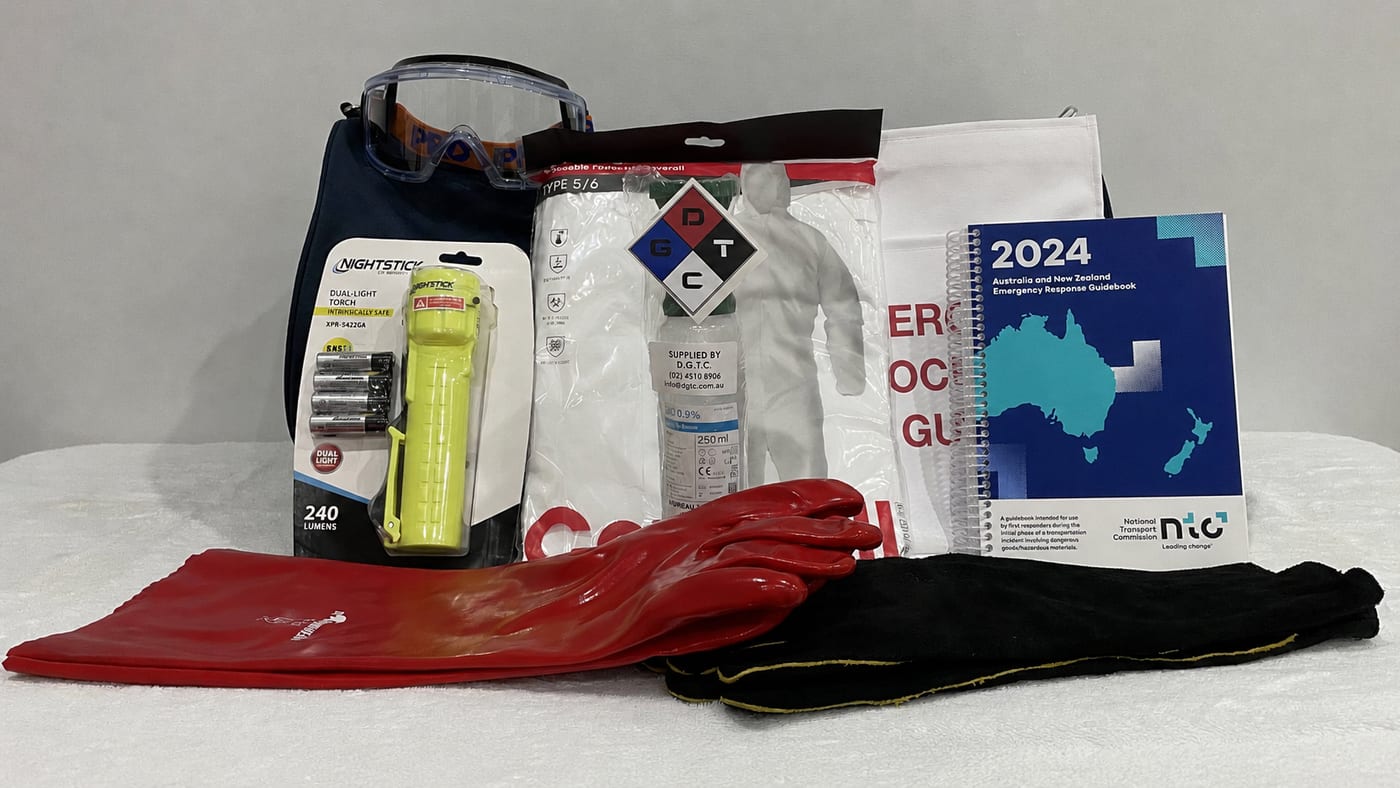 Dangerous Goods Kit Bags (PPE Bag)$380.00+ GST at checkout
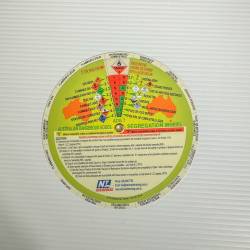 Dangerous Goods Segregation Wheel$60.00+ GST at checkout
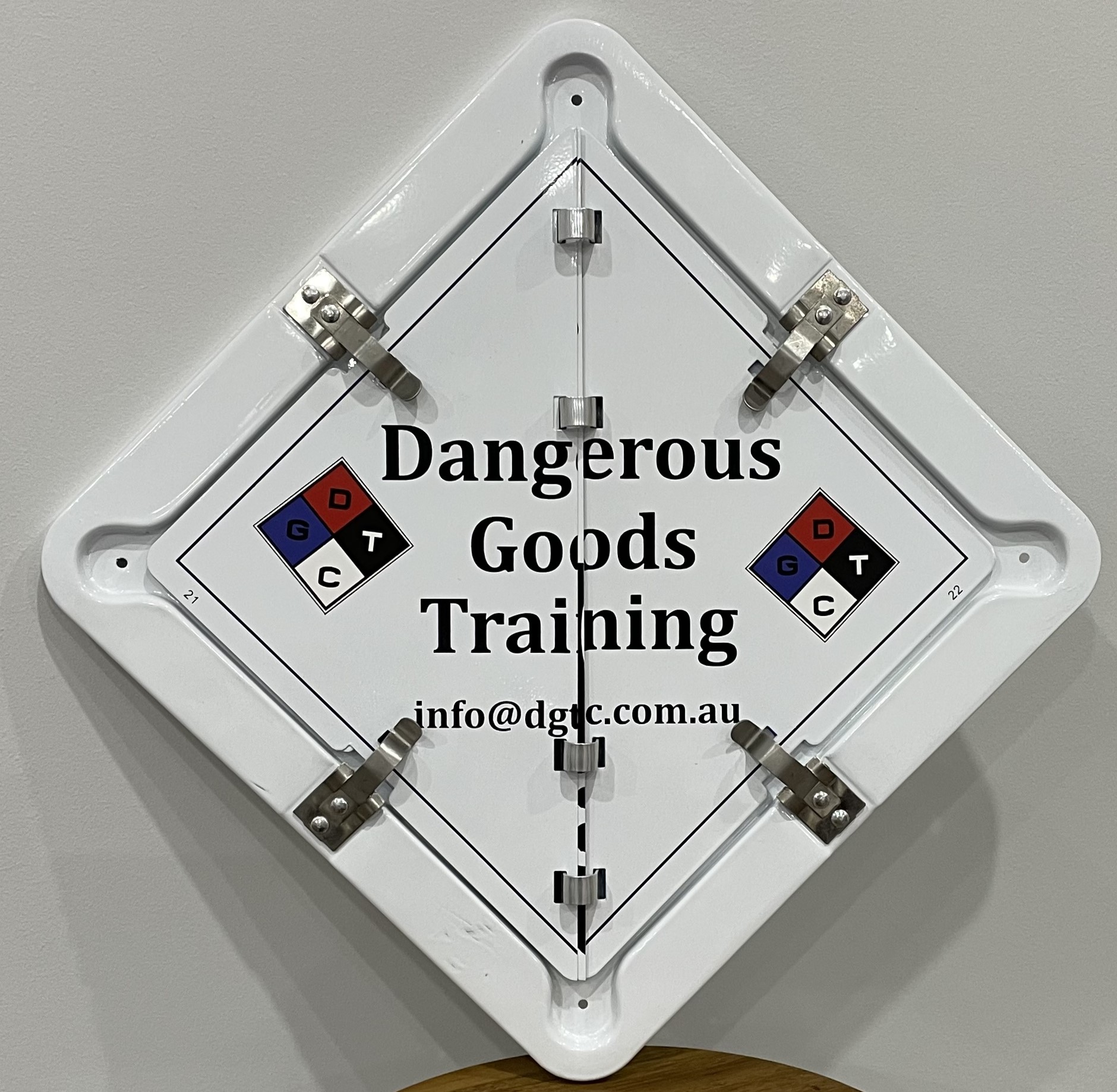 Dangerous Goods Training Centre Flipovers$120.00+ GST at checkout
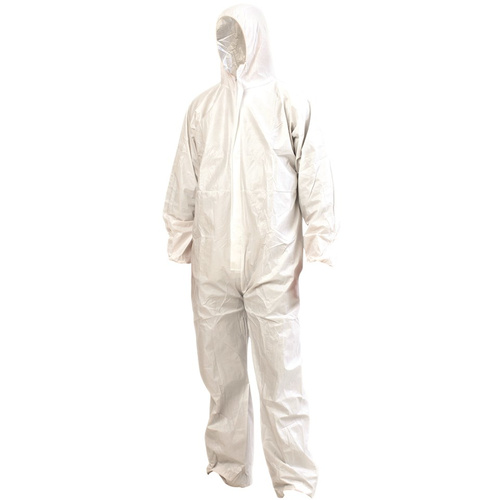 Disposable Coveralls$15.00+ GST at checkout
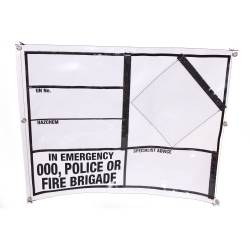 EIP Changeable Panels$130.00+ GST at checkout
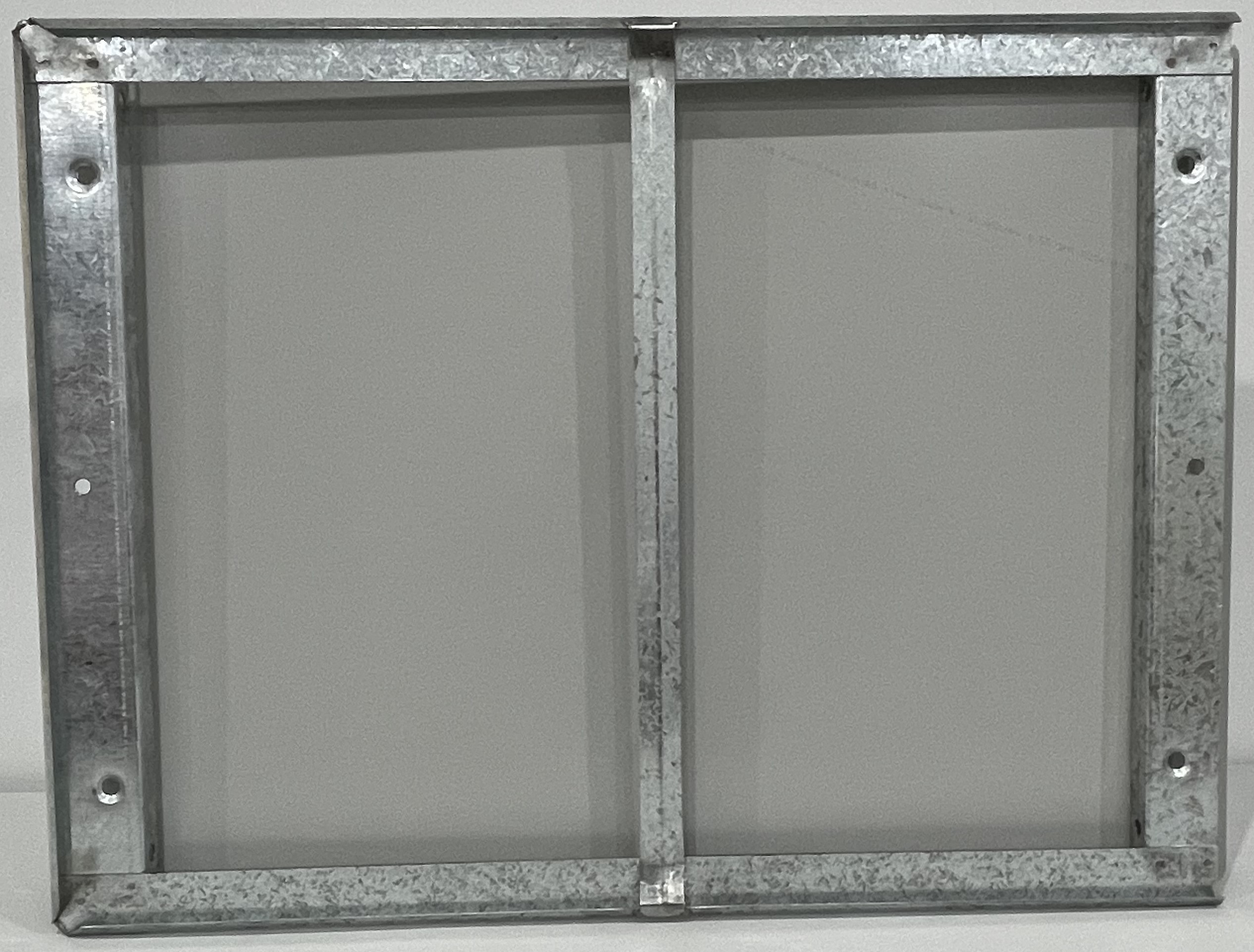 EIP Metal Panel Holders$140.00+ GST at checkout
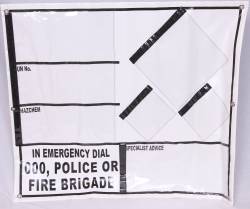 EIP Sub Risk Panels$150.00+ GST at checkout
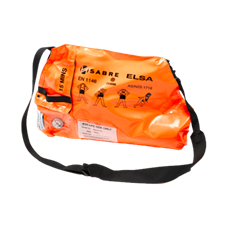 Elsa Escape Breathing Apparatus (15min)$1,300.00+ GST at checkout
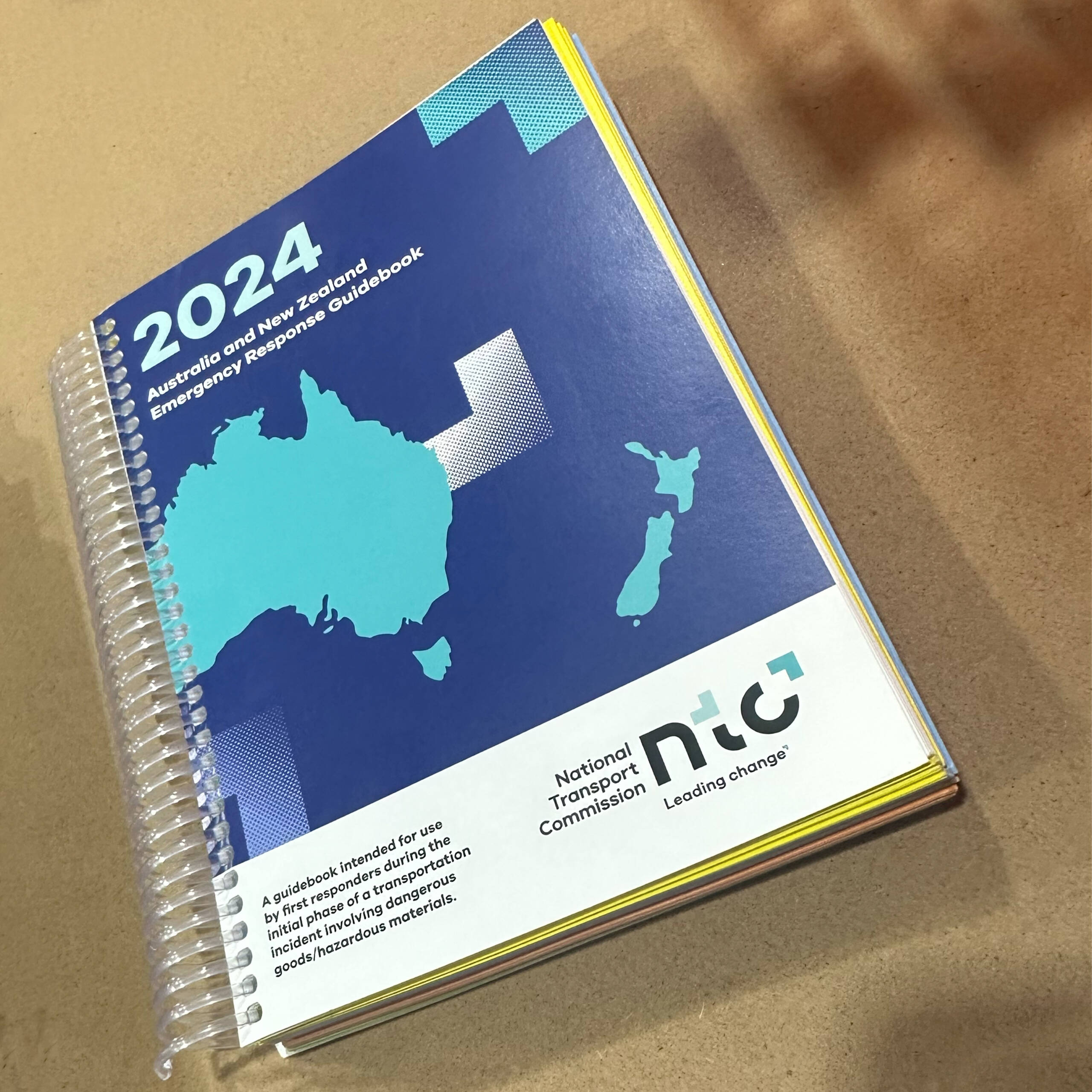 Emergency Procedure Guide Book$45.00+ GST at checkout
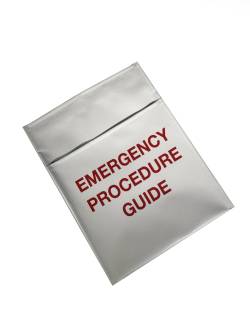 Emergency Procedure Guide Holder$35.00+ GST at checkout
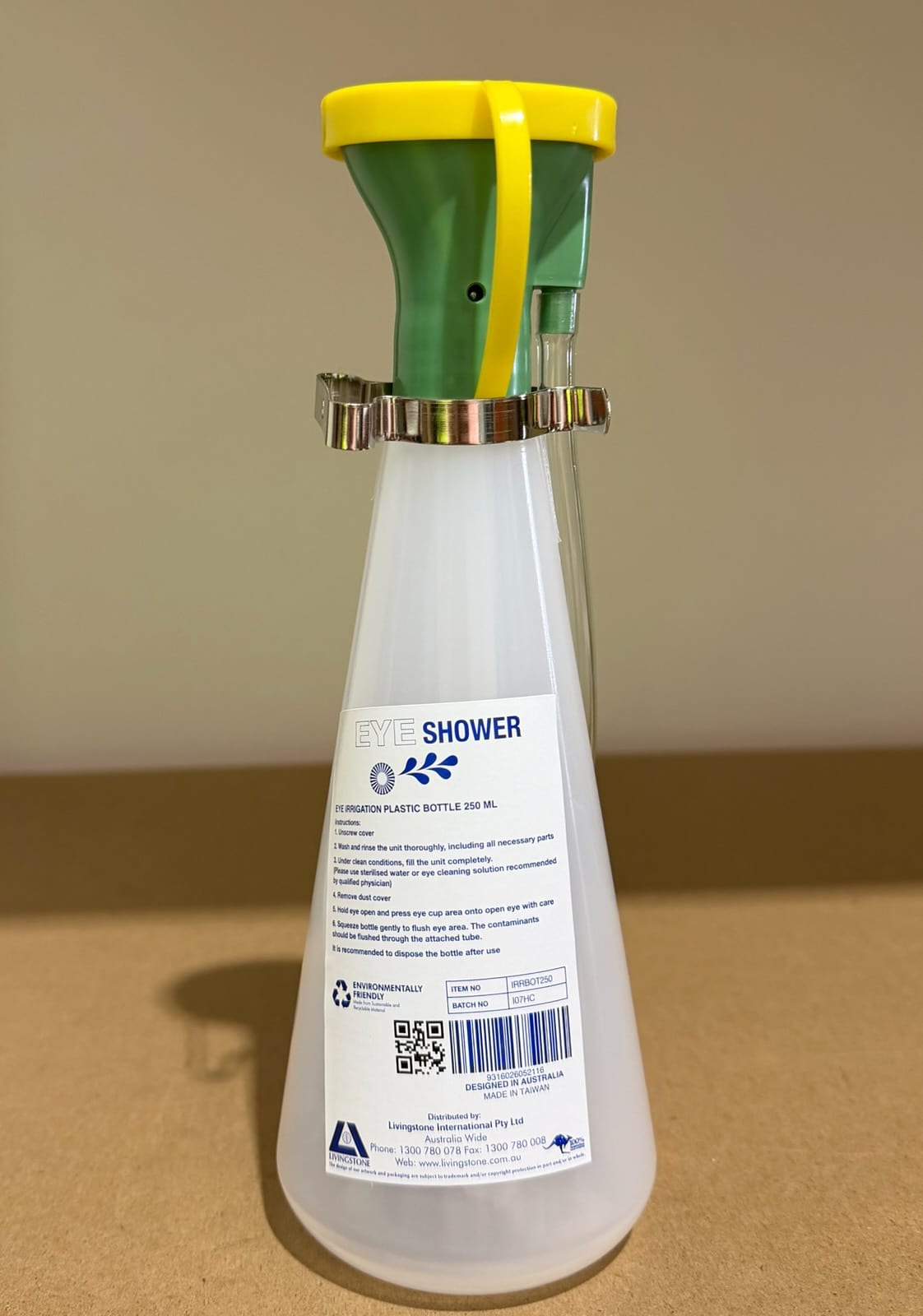 Eye Wash Bottles$12.00+ GST at checkout
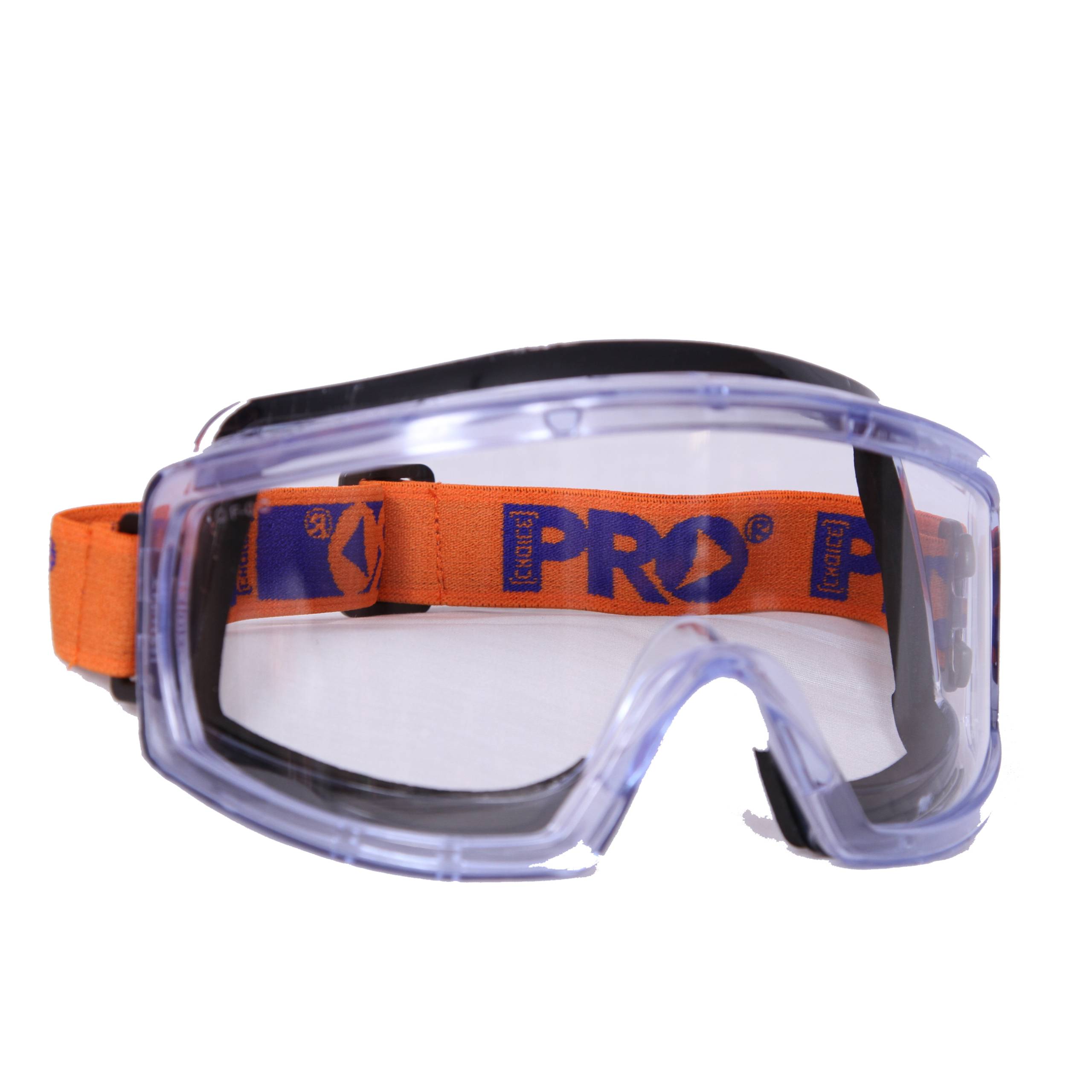 Gas Tight Goggles$18.00+ GST at checkout
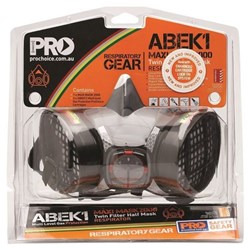 Half Face Respirator with Filters$78.00+ GST at checkout
 Heavy Duty Pallet Angle$30.00+ GST at checkout
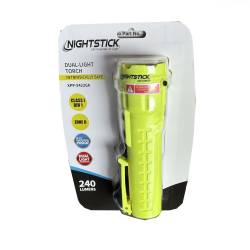 Intrinsically Safe Torch$95.00+ GST at checkout
 Metal Blanks$16.00+ GST at checkout
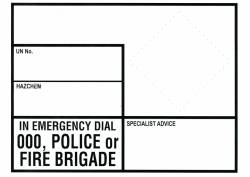 Metal EIP Panels$75.00+ GST at checkout
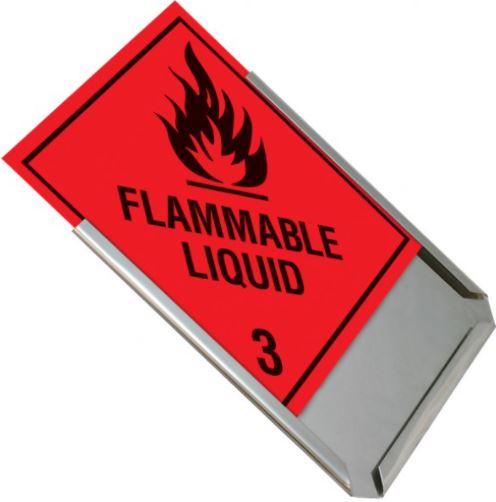 Metal Sign Holders$30.00+ GST at checkout
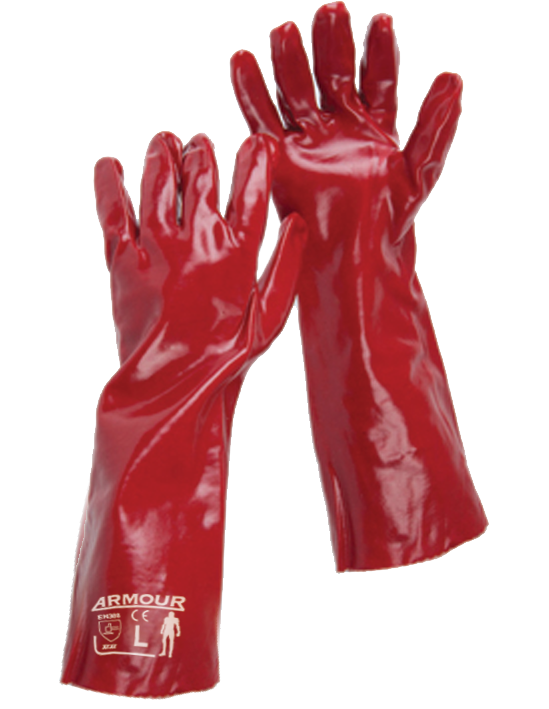 PVC Long Gloves$8.00+ GST at checkout
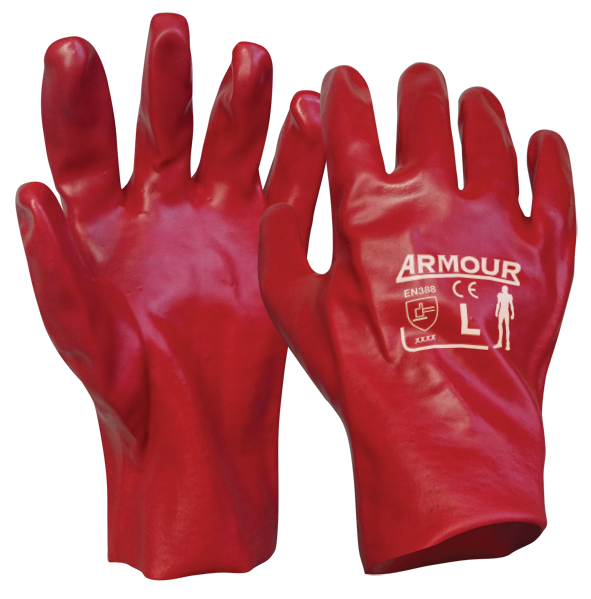 PVC Small Gloves$5.00+ GST at checkout
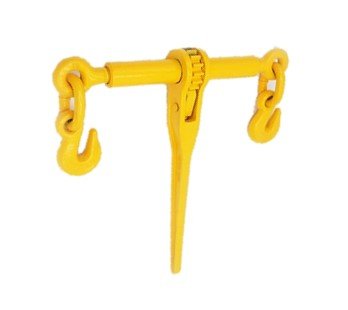 Ratchet Load Binder$65.00+ GST at checkout
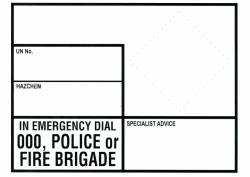 S/A EIP PanelsFrom $12.00+ GST at checkout
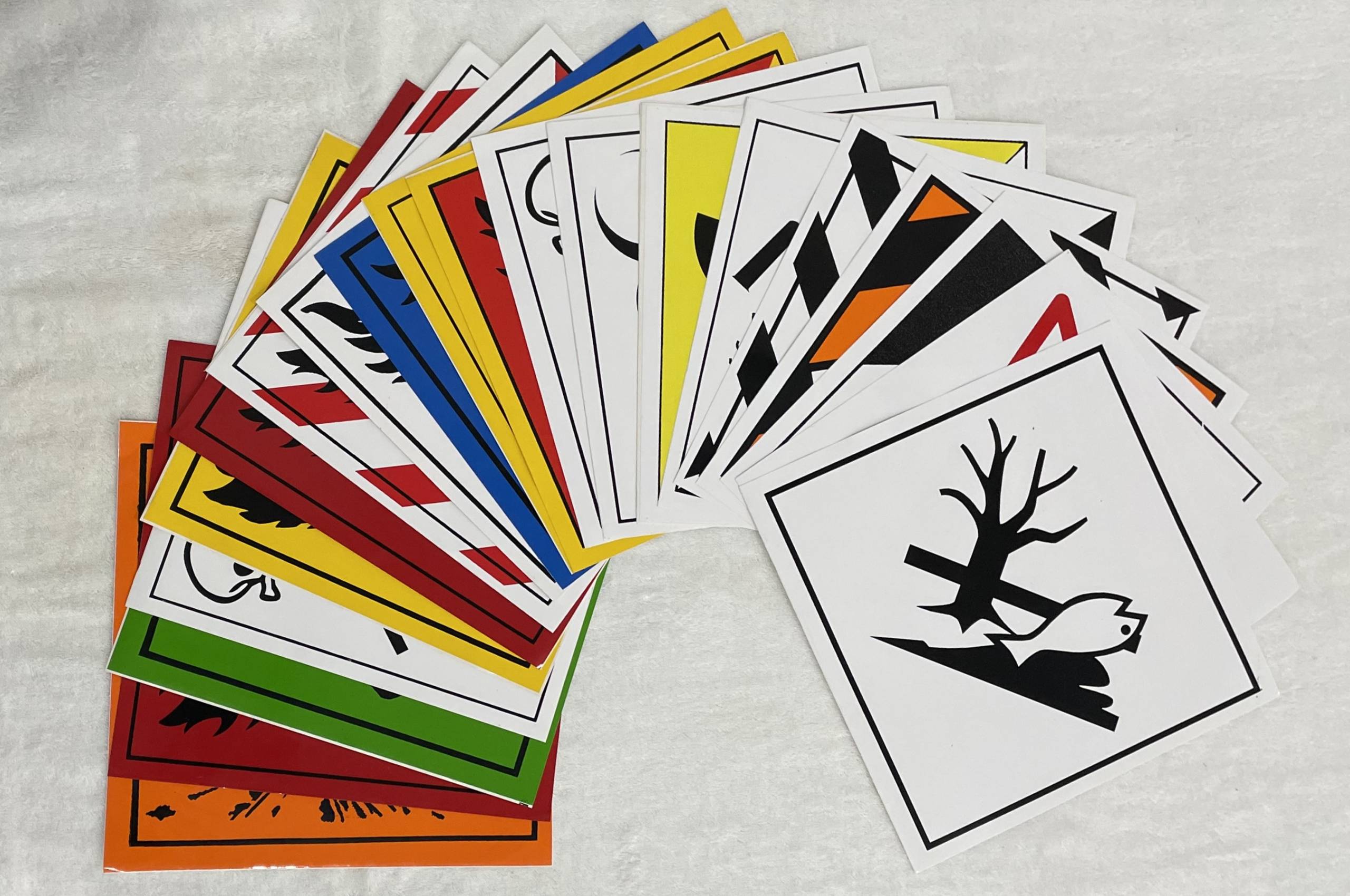 Self Adhesive Class Labels$3.00+ GST at checkout
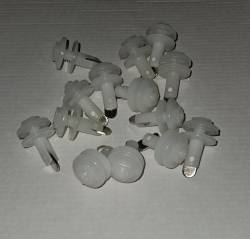 Tautliner Canvas Clips$55.80+ GST at checkout
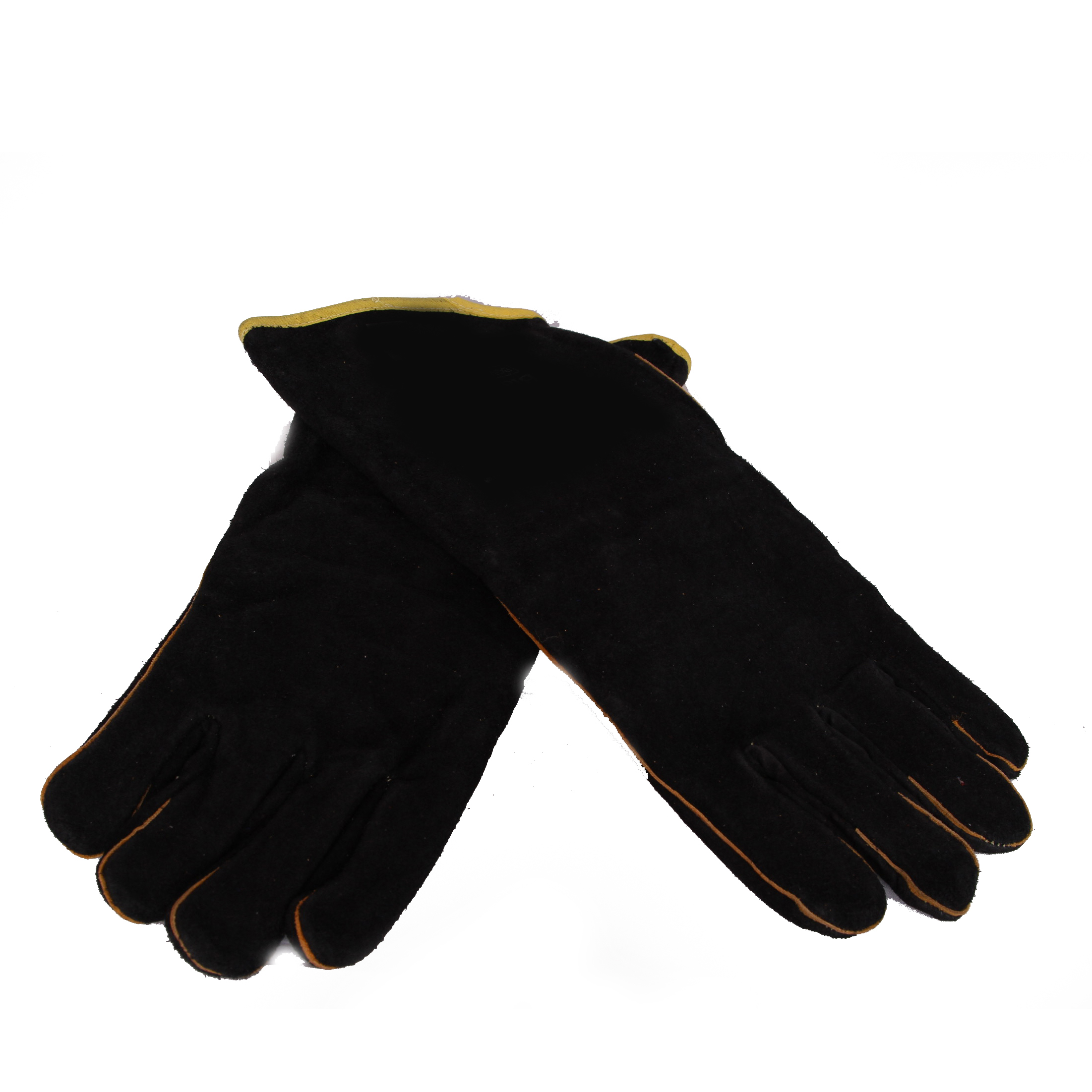 Thermal Gloves$15.00+ GST at checkout
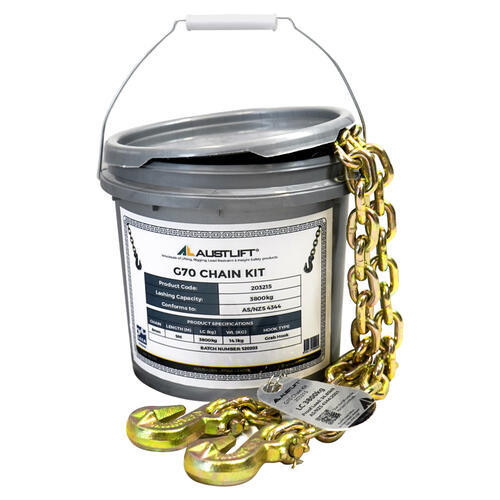 Transport Chain$85.00+ GST at checkout
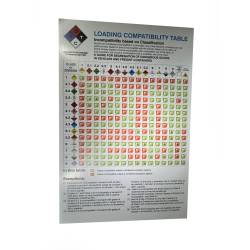 Transport Compatibilty Chart$50.00+ GST at checkout
 Transport Rope$20.00+ GST at checkout
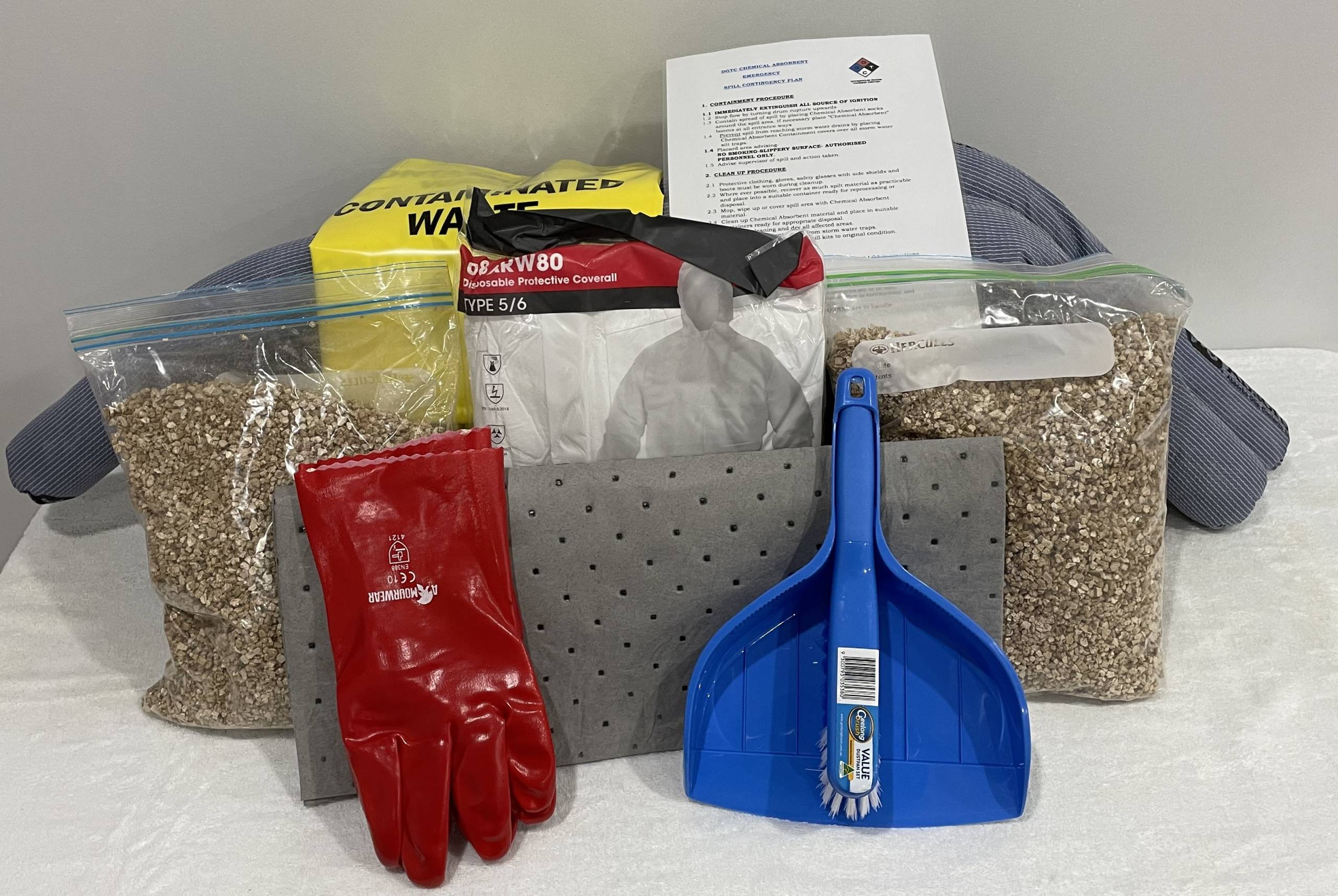 Truck Spill Kit Bag$210.00+ GST at checkout
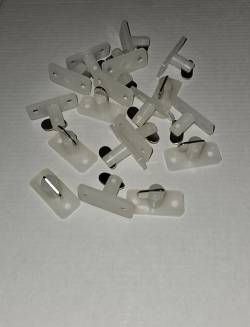 Vertical Clips$55.80+ GST at checkout
What does a dangerous goods vehicle need?
The placard load test decides
Most Australian Dangerous Goods Code equipment requirements apply only to a placard load — a vehicle carrying dangerous goods in a receptacle with capacity over 500 L, or over 500 kg of dangerous goods in a receptacle (plus aggregate tests of 250 kg/L for higher-risk goods, or 1,000 kg/L overall). Below those quantities, package class labels and documentation are usually all that is required. (Source: WorkSafe WA — placard load; NTC ADG Code.)
EIP, class label or holder?
- Package or small container — the class/division diamond on the package.
- Receptacle over 500 L / 500 kg, or bulk — Emergency Information Panels on the vehicle sides and rear, plus the in-cabin Emergency Information Holder for documents.
- The EIP (external panel) and the Emergency Information Holder (in-cabin document holder) are different items — a placard-load vehicle needs both, not one or the other.
Choosing transport PPE
PPE must be matched to the chemical via its Safety Data Sheet — there is no single glove or eyewear that suits every substance, and PPE is the last line of defence, not a substitute for containment. Choose chemical-resistant gloves, splash protection and eye irrigation appropriate to the goods carried. (Source: Safe Work Australia — PPE duties.)
Common mistakes to avoid
- Buying package-size class labels for a bulk tank/IBC load that needs vehicle EIPs.
- A generic document sleeve instead of a compliant, weather-resistant Emergency Information Holder.
- One glove material for "chemicals" generally — match it to the substance's SDS.
- Safety glasses where splash goggles are needed for liquid dangerous goods.
Drivers of placard loads also need a dangerous goods driver licence (TLILIC0001).