Safety equipment
Fire Extinguishers
Portable fire extinguishers and accessories. The right extinguisher depends on what could burn — using the wrong type can be useless or dangerous.
Help me choose — what could catch fire?
Select every risk that applies. We’ll narrow the products below to extinguishers rated for all of them.
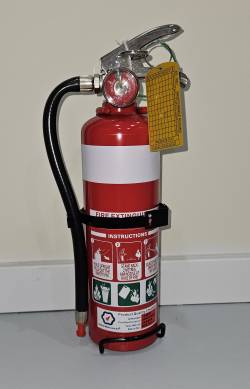 10B Extinguisher With Hose$35.00+ GST at checkout
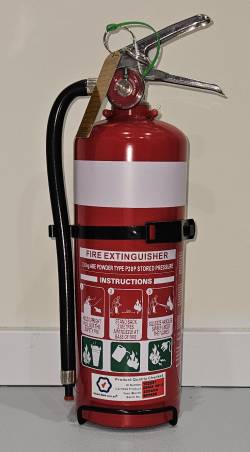 30B Fire Extinguisher$60.00+ GST at checkout
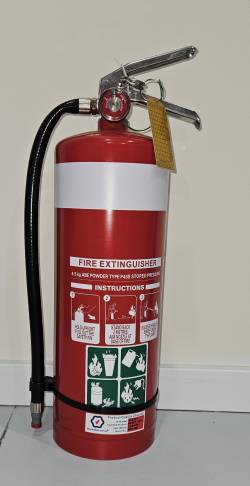 60B Fire Extinguisher$80.00+ GST at checkout
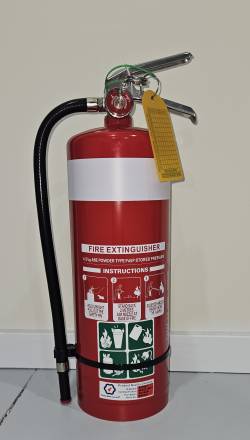 80B Fire ExtinguishersFrom $90.00+ GST at checkout
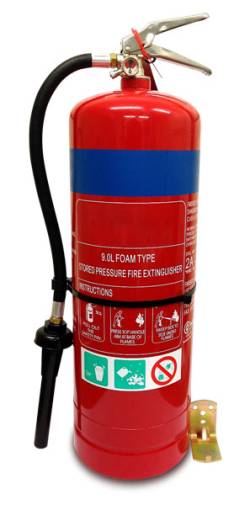 9L Foam Fire Extinguisher$170.00+ GST at checkout
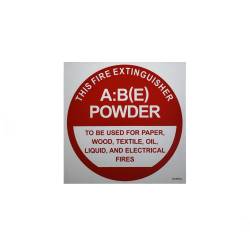 ABE ID Sign$2.00+ GST at checkout
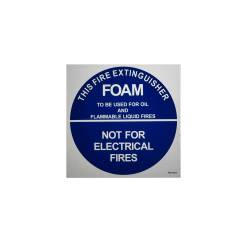 AFFF ID Sign$2.00+ GST at checkout
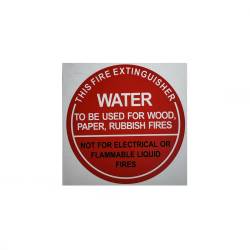 AW ID Sign$2.00+ GST at checkout
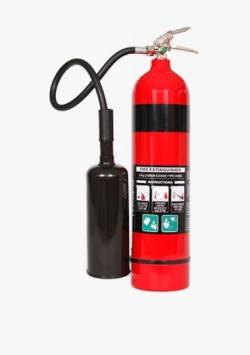 CO2 Extinguisher$190.00+ GST at checkout
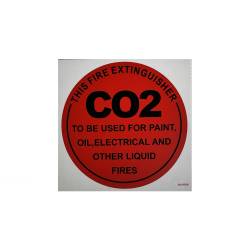 CO2 ID sign$2.00+ GST at checkout
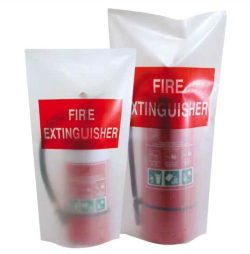 Extinguisher Bags$5.00+ GST at checkout
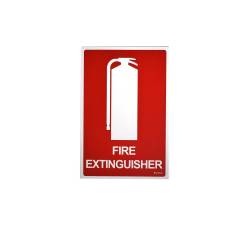 Extinguisher Location Sign$2.00+ GST at checkout
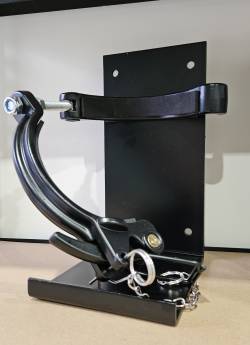 Fire Extinguisher Heavy Weight Bracket$70.00+ GST at checkout
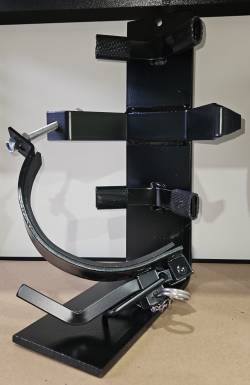 Fire Extinguisher Light Weight Bracket$60.00+ GST at checkout
Which fire extinguisher do I need?
There is no single extinguisher for every fire. In Australia, fires are grouped into classes by what is burning, and each extinguishing agent only suits some classes — and is dangerous on others.
What are the Australian fire classes?
- Class A — ordinary combustibles: wood, paper, cardboard, plastics, textiles.
- Class B — flammable and combustible liquids: petrol, oils, paint, solvents.
- Class C — flammable gases: LPG, methane, propane. Shut the gas supply off first — a gas fire should not be extinguished until the gas is isolated.
- Class D — combustible metals (magnesium, sodium): special powder only.
- Class E — energised electrical equipment: switchboards, computers, motors.
- Class F — cooking oils and fats: deep-fryer and kitchen-oil fires.
(Source: Fire and Rescue NSW — extinguishers for business.)
Which agent for which fire?
Per Fire and Rescue NSW:
- Water — Class A only. Never use water on electrical (Class E) or cooking oil (Class F).
- Foam (AFFF) — Class A and B. Not for energised electrical.
- ABE dry chemical powder — broad cover: Class A, B, C and E. Not for cooking oil (Class F).
- BE dry chemical powder — Class B, C, E and F. No Class A rating.
- Carbon dioxide (CO₂) — Class E and B, leaves no residue (ideal around electronics).
- Wet chemical — purpose-built for Class F cooking oils (plus Class A).
Extinguishers are identified by a colour band and a label — always read the label, which states the exact classes and the operating method.
Common mistakes to avoid
- Buying "general purpose" ABE powder for a kitchen — it does not cover cooking oil (Class F). A kitchen needs wet chemical or a fire blanket.
- Water or foam near electrical equipment — Fire and Rescue NSW: water must never be used on an electrical fire.
- One extinguisher for everything — most sites need at least two types.
Vehicles carrying dangerous goods
A vehicle carrying a placard load of dangerous goods (a receptacle with capacity over 500 L, or over 500 kg of dangerous goods) must carry dry-chemical-powder extinguisher(s) under the Australian Dangerous Goods Code, sized to the load and maintained per AS 1851. If you drive these loads you also need a dangerous goods driver licence — see our TLILIC0001 course.